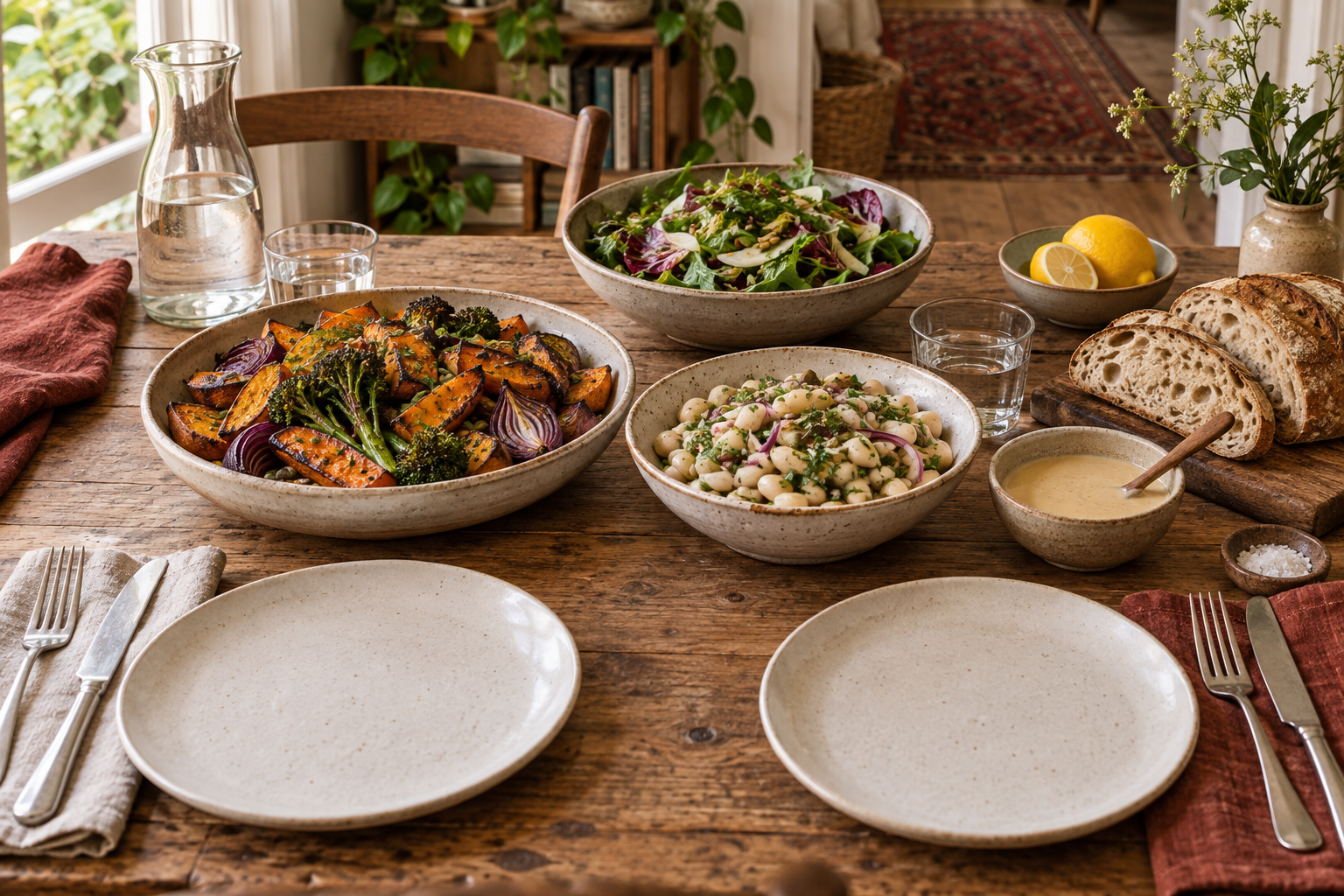
The absence of meat or dairy does not make a prepared lunch safe to leave warm all morning. Cooked grains, beans, cut produce, and many dressings still need appropriate handling.
Chill the food properly before packing and use suitable cooling during transport. Put it in a refrigerator on arrival when available. If you cannot keep it at a safe temperature, choose foods that are genuinely appropriate for the conditions rather than relying on a sealed lid.
Think about texture separately. Keep crisp leaves and wet dressings apart until eating, and avoid packing a warm component against something meant to stay cool.
A practical lunch is one you can store, open, and eat comfortably. Include the utensil you need, use a container that does not leak, and make enough space to mix the food without borrowing half the desk as a work surface.
Further reading: FDA: storing food safely.